
Future Perfect for Dummies
Want to warn your mates to be quiet when they get home super late? The least used tense in English is here to help!

There are many wrong ways to learn a language but obsessing about grammar is the worst. Instead of using references from real life, students are asked to memorize definitions and patterns that are often too abstract or too general. Take a look at the example below:
The future perfect is a tense used for actions that will be completed before another action in the future.
This definition is not wrong. In fact, it’s a great way to summarize the purpose of the future perfect tense for people who already know how to use it.
But the students who see the future perfect for the first time aren’t that lucky. What they need is not a definition but an example from real life:
By the time you get home, I’ll have (already) fallen asleep.
This could be something you say to your roommates who are out partying while you’re relaxing at home. By using the perfect future tense you make it clear you won’t be there to greet them when they arrive—You’ll be in your bed, already asleep. And if they’re really considerate, they’ll make an effort to be as quiet as possible and avoid waking you up.
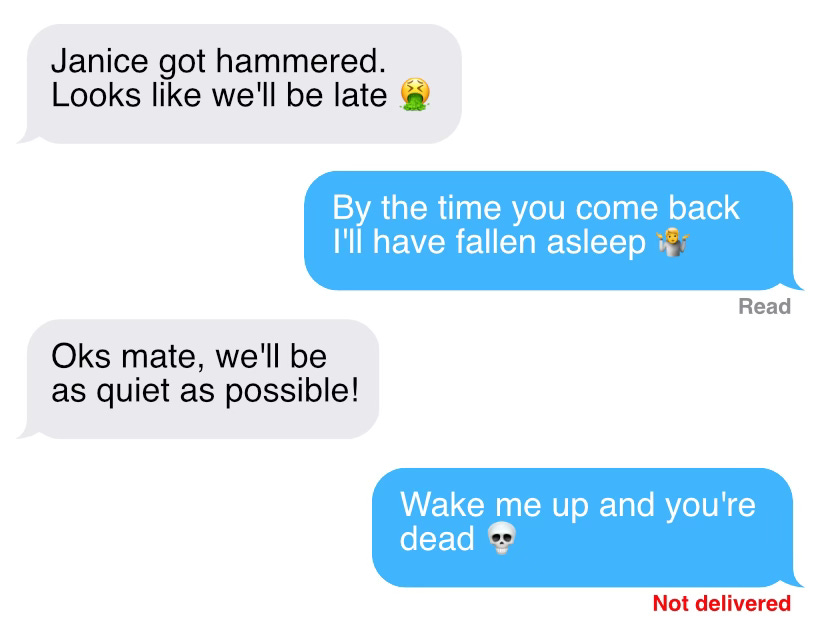
Only after you have completely understood the example and can truly picture the situation in your mind, you can start with Step 2, which is analyzing the grammatical structure:
will + have + past participle
And there you have it!